
Real-time fine dust measurement: How safety managers benefit from Dustlight

Every year, 4.2 million people in the EU fall ill as a result of poor air quality in the workplace (EU), and 85% of deaths from occupational illnesses in Germany are caused by respiratory diseases (DGUV). Protecting employees from this invisible danger is one of the central tasks of SIFA managers, with slow processes and outdated methods such as gravimetric sampling costing [...]
Dust exposure during DIY

Dust pollution is an issue that is also relevant for DIY enthusiasts. In this article, we will look at the causes of dust exposure during DIY, the health effects and possible measures to reduce exposure. Causes of dust exposure during DIY work Dust can be released from various sources during DIY work. When sawing, sanding or milling wood, [...]
Dust pollution on construction sites
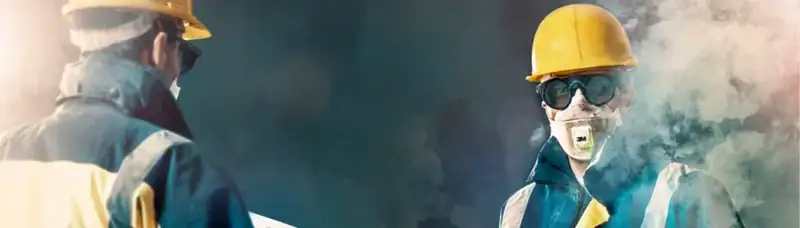
Dust pollution on construction sites is an issue that has received increasing attention in recent years. Dust is a mixture of tiny particles and pollutants that are suspended in the air and can be inhaled into the lungs. Dust pollution can be particularly high on construction sites, as many construction processes release dust and dirt [...]
Dust exposure among carpenters
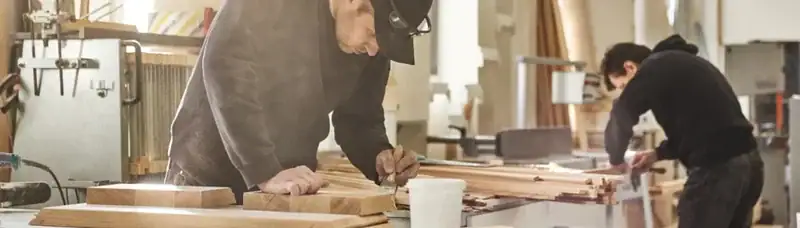
Dust pollution is an issue that is not only of great importance on construction sites, but also in the carpentry industry. This article looks at the causes of dust pollution in joineries, the effects on health and possible measures to reduce pollution. Causes of dust pollution in joineries In joineries, wood-based materials such as MDF boards, chipboard or plywood are often [...]
TRGS 900 - the general dust limit value

The Technical Rules for Hazardous Substances - TRGS 900 regulates the permissible exposure at the workplace for a large number of hazardous substances. Among other things, a general dust limit value is also specified. This applies to insoluble and poorly soluble substances that are covered elsewhere in TRGS 900. The general dust limit value is also implemented as an upper limit value in Dustlight. The general [...]
Dust exposure in the workplace
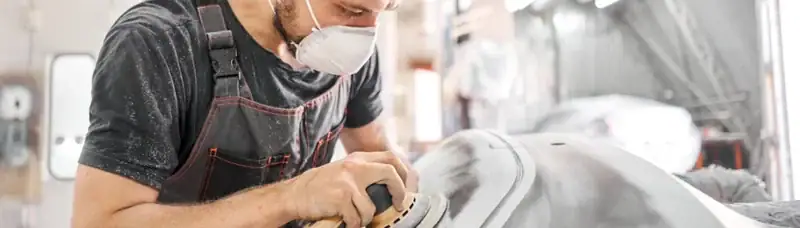
The variety of hazardous substances and the different ways in which one can come into contact with them is huge. Inhalation exposure is statistically particularly relevant: In Germany, 85% of work-related deaths are due to respiratory diseases. For more information, see the DGUV report. What is airborne dust? Dust refers to very small solid particles. [...]
Acute danger: Welding fumes

Welding work is essential in many industries, but it also poses significant health risks - particularly through the release of welding fumes. In this blog post, we take a closer look at how welding fumes are created, why they are so harmful and how companies can minimize the risk through precise measurement and monitoring with the Dustlight. We also shed light [...]
Silica and Occupational Safety

Silicon dioxide, SiO₂, is one of the most common compounds on Earth and is the main component of sand, Silica, and many types of rock. It exists in two main forms: crystalline and amorphous. While both forms are chemically identical, they differ significantly in their structure, physical properties, and industrial applications. It is particularly alarming that these dusts are usually […]